The Delta
Tells the Truth.
Advanced sensor systems and digital intelligence that measure what changed, pinpoint what's leaking, and deliver the answers that drive your next decision.
About
DeltaSense
Sensors that measure.
Platforms that answer.
DeltaSense provides advanced sensor systems and digital intelligence for well integrity assessment — from drilling through to decommissioning.
We combine hardware you can trust with platforms that turn raw data into actionable answers. Every measurement serves a purpose. Every answer drives a decision.
Our technology solutions — PulseVista and ApexHunter — are powered by three digital intelligence platforms: Auralis, Thermalis, and Axialis. Together, they form a complete diagnostic ecosystem for well integrity.
Digital Intelligence
Platforms
Every sensor feeds a platform. Every platform turns raw data into decisions. Our digital intelligence layer powers every solution we deploy — from job planning through QC to final answers.
Auralis
Acoustic Intelligence
The digital engine behind all acoustic measurements. Auralis processes the full power spectrum — from ultrasonic pulse-echo in PulseVista to broadband noise analysis in ApexHunter. Raw acoustic data becomes clarity on casing condition, cement integrity, and leak signatures.
Powers

Thermalis
Temperature Intelligence
Maps temperature deltas and thermal anomalies across the well system. Thermalis transforms high-resolution temperature data into actionable intelligence — identifying flow zones, Joule-Thomson cooling signatures, and barrier performance in real time.
Powers
Axialis
Spinner Intelligence
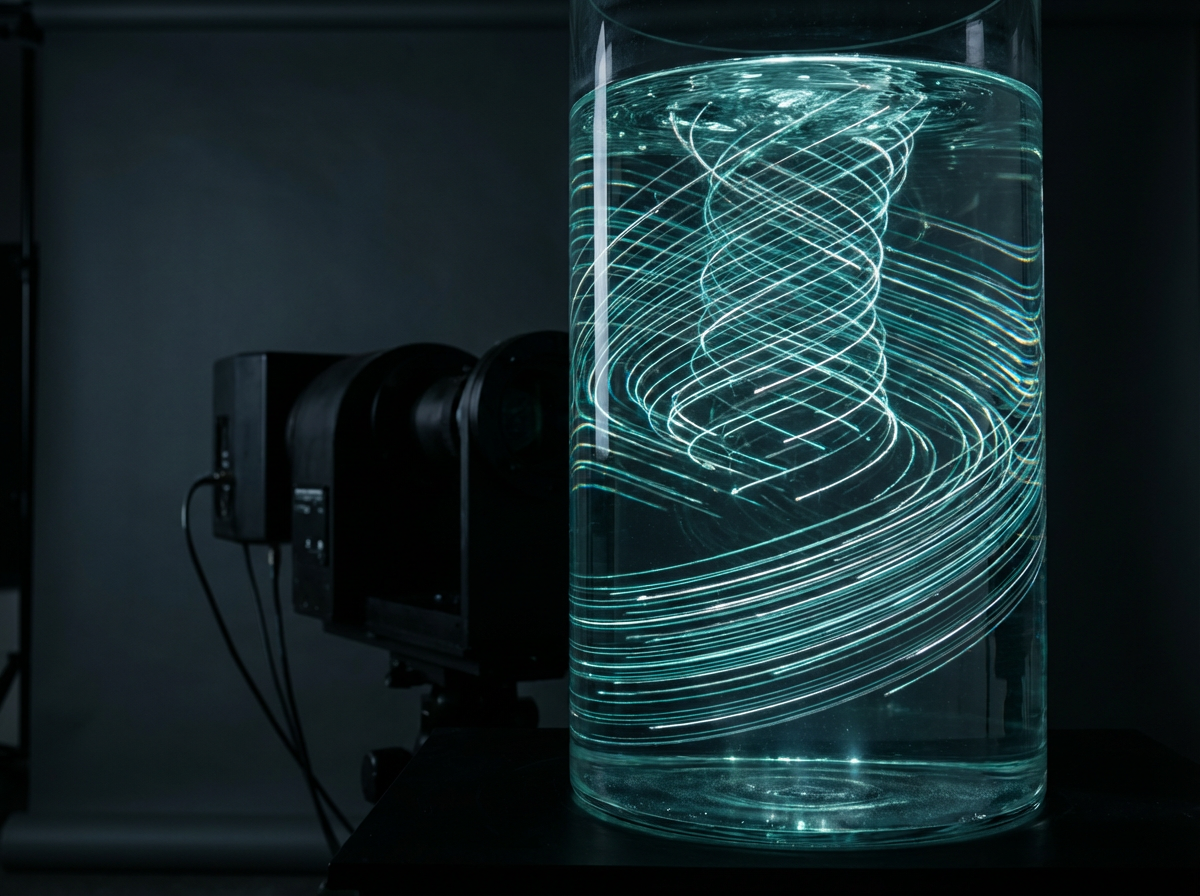
The digital platform for precision flow measurement. Axialis processes spinner data to quantify fluid velocities, directions, and flow profiles — differentiating active leaks from static anomalies and providing the quantitative backbone for intervention decisions.
Powers
Technology
Solutions
showing 3 of 3
PulseVista
Ultrasonic Casing & Cement Evaluation
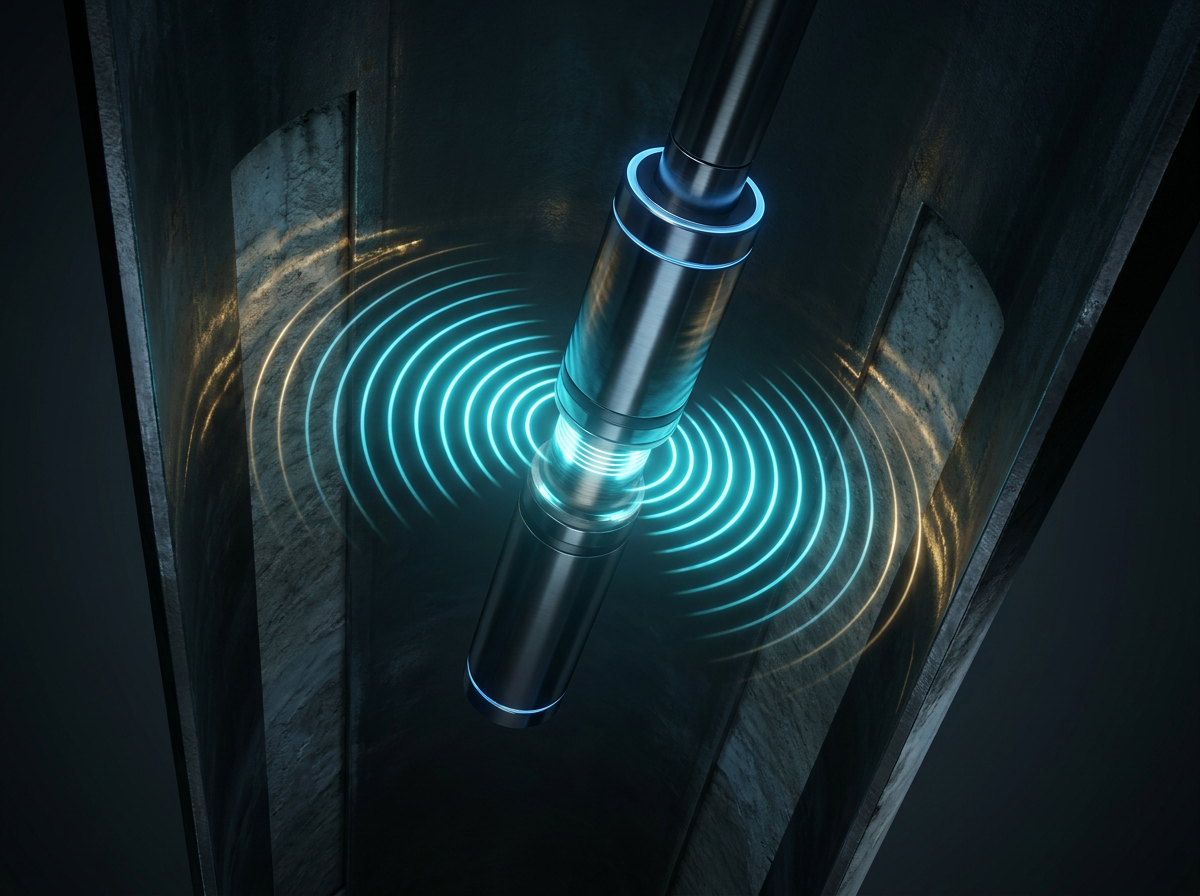
High-resolution 360° acoustic impedance imaging for quantitative cement and casing integrity.
Overview
See the barrier. Trust the barrier.
PulseVista delivers precise, non-radioactive evaluation of cement bonding, casing condition, and annular integrity using rotating ultrasonic pulse-echo technology. It provides detailed radial maps of cement channels, micro-annuli, wall thickness, and corrosion — giving operators confidence before proceeding with completion, workover, or plug & abandonment.
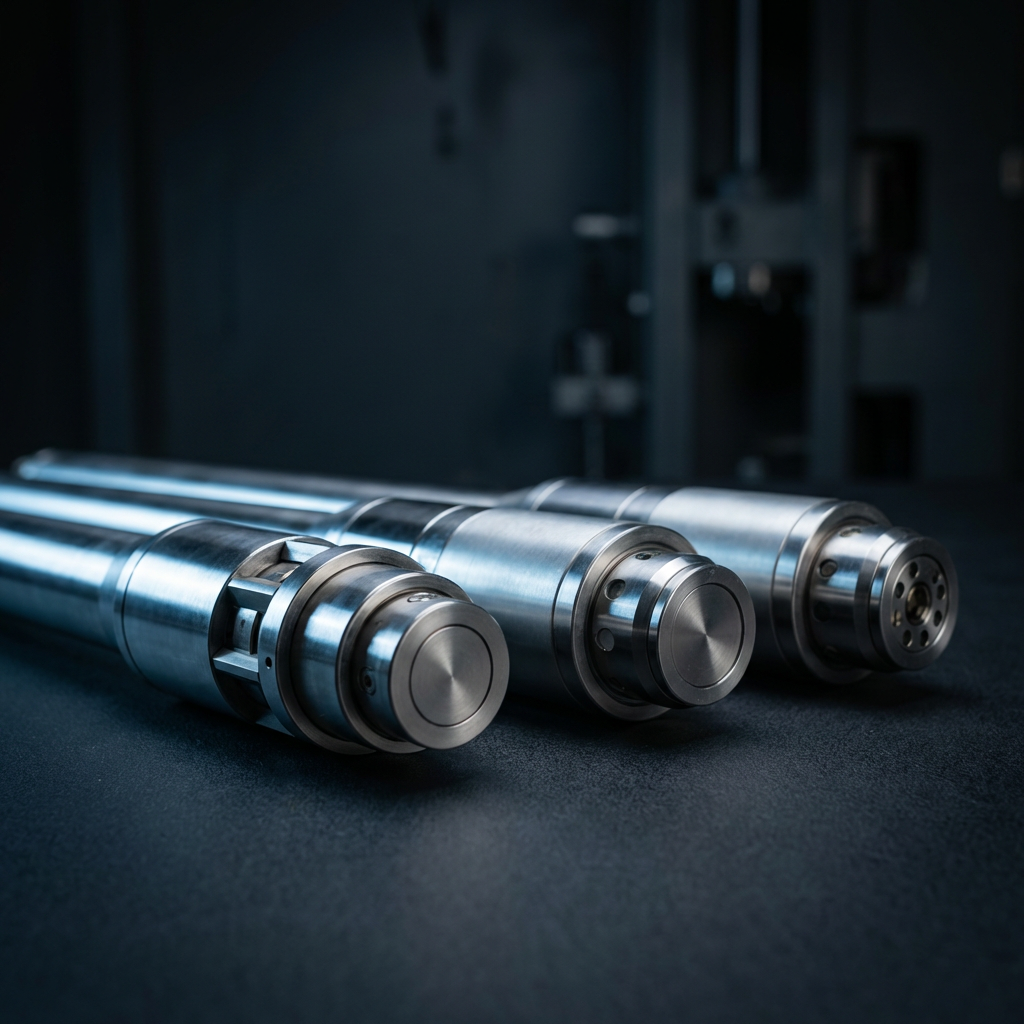
Two configurations cover the full evaluation spectrum. The PulseVista IS Tool uses a rotating high-precision ultrasonic sensor for quantitative 360° radial impedance imaging — mapping channels, micro-annuli, and partial bonding with high azimuthal and vertical resolution. The PulseVista Slim CBL/VDL adds classic sonic measurements — amplitude attenuation and formation arrivals — for complementary qualitative and quantitative cement bond and variable density data.
Both are non-radioactive, run in real-time or memory mode on mono or multi-conductor e-line, and feature interchangeable transducer sub-assemblies optimised for different casing sizes. Suitable for deviated and horizontal wells across the full range of mature-field conditions.
Capabilities
What PulseVista measures
- →Casing-cement bonding quality — channels, micro-annuli, and partial bonding mapped azimuthally across the full 360° circumference.
- →Cement-formation interface — evaluates zonal isolation at the outer boundary where the cement meets the formation.
- →Internal casing geometry — ovality, internal diameter, wall thickness, corrosion, and mechanical defects.
- →Radial imaging — behind-casing features and cement channels visualised in full 360° detail.
P&A Value
Why P&A operators choose PulseVista
- →Quantitative cement maps — not just qualitative flags — that regulators and operators trust for barrier verification.
- →Detects micro-annuli, channels, and partial bonding that sonic-only tools miss.
- →Assesses casing condition — corrosion, deformation — to confirm the mechanical barrier is intact.
- →Supports remedial cementing decisions with high-resolution data when isolation is inadequate.
- →Works across a wide range of casing sizes (4"–18¾") and well deviations common in mature fields targeted for P&A.
How It Works
Pulse-Echo Principle
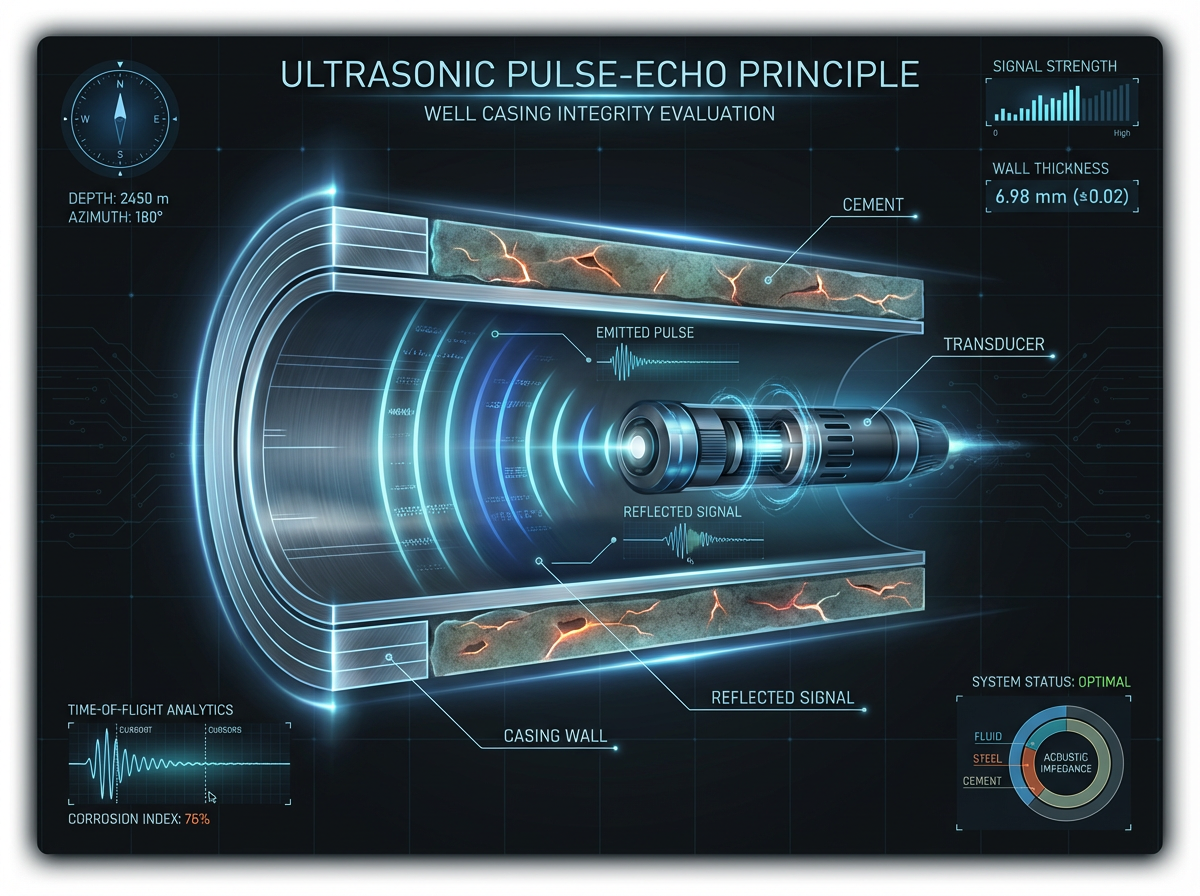
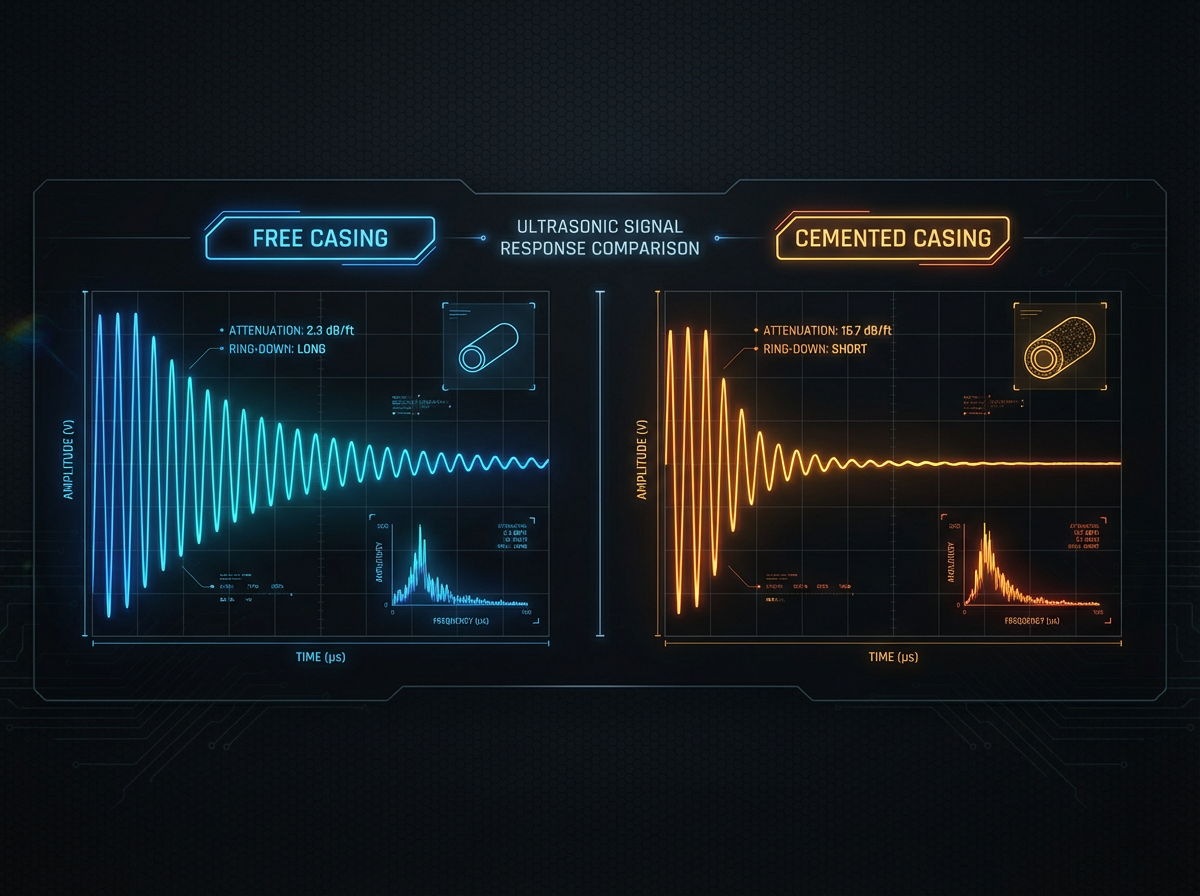
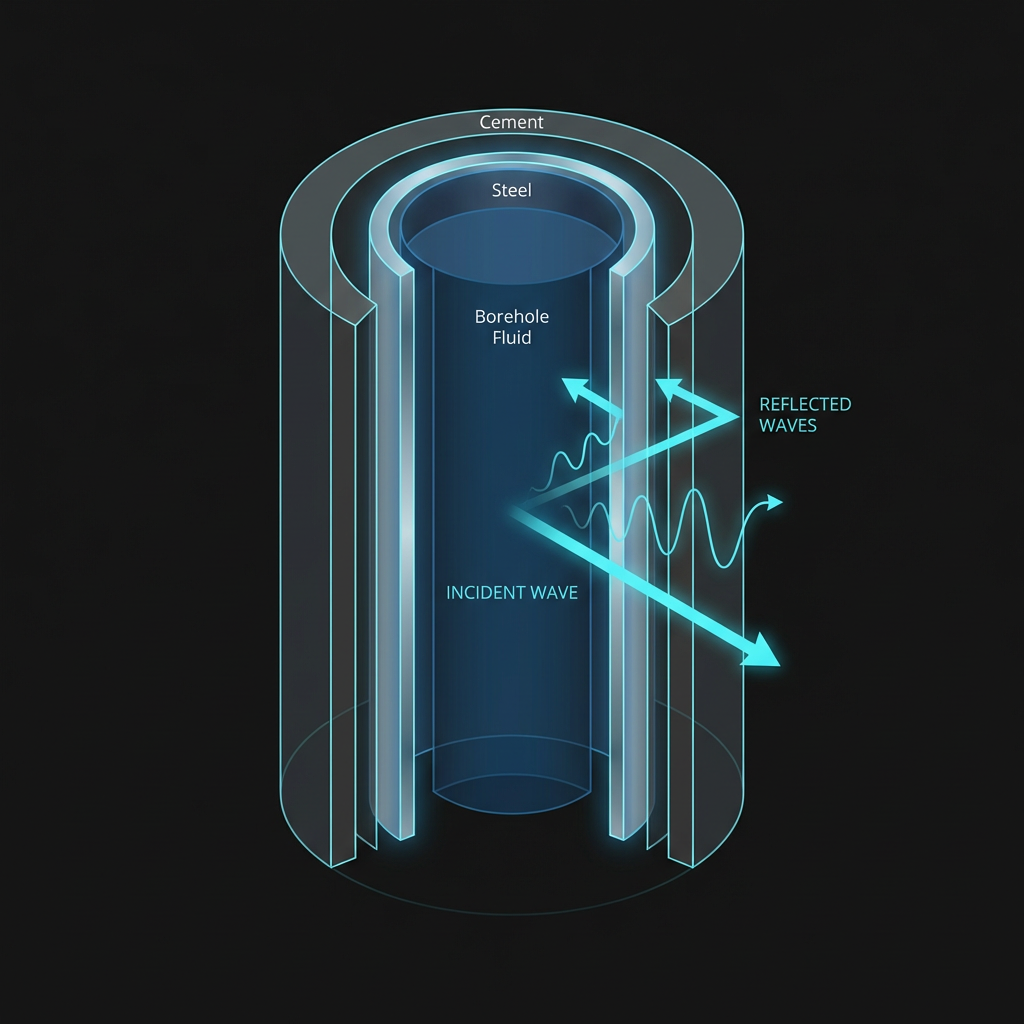
A rotating ultrasonic transducer emits pulse-echo signals that reflect off the casing wall. The attenuation rate of the reflected signal reveals what lies behind the steel — free pipe returns a slow-decaying signal, while cemented casing shows rapid attenuation as energy transfers into the cement sheath. Interchangeable transducer sub-assemblies (250 kHz / 500 kHz) allow optimisation for different casing sizes and conditions.
Reference
Technical Specifications
Mode
Real-Time / Memory
E-line
Mono / Multi-conductor
Max Temp
302 °F (150 °C)
Max Pressure
15,000 psi (100 MPa)
Deviation
Any
Transducer Freq
250 kHz / 500 kHz
Logging Speed
20–65 ft/min
Tool OD (IS)
2⅞" – 3⅝"
Casing ID Range
4"–18¾"
Azimuthal Res
High (360°)
Technology
Non-Radioactive
Configurations
IS Tool / Slim CBL-VDL
ApexHunter
Precision Multi-Sensor Well Integrity Diagnostics
Find the leak. Prove the mechanism. One run. Multiple independent measurements.
Overview
Find the flow. Prove the isolation.
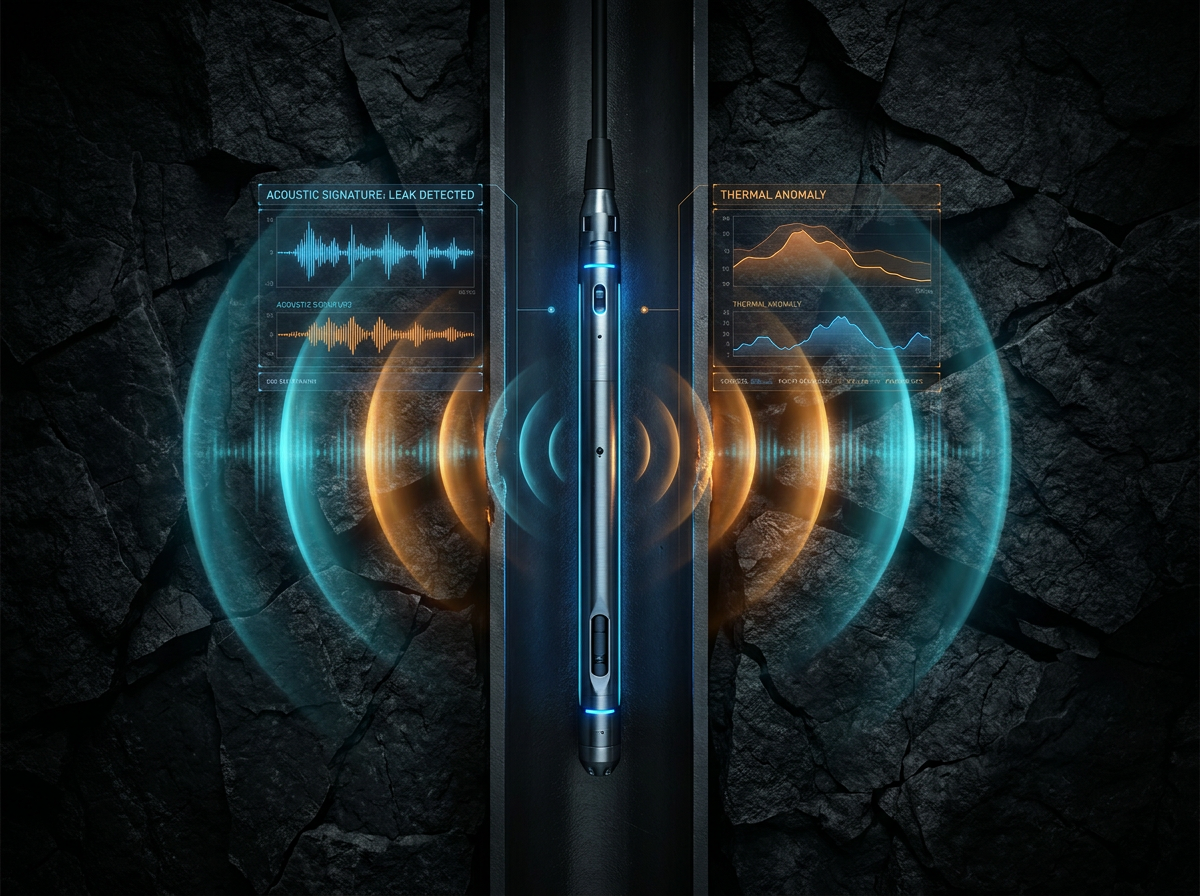
ApexHunter combines four advanced sensing platforms — Auralis, Thermalis, Axialis, and ThermoFlux — into a single powerful diagnostic tool. It pinpoints leaks, quantifies flow, maps thermal anomalies, and confirms barrier performance with unmatched accuracy — ideal for production logging, leak detection, and complex well diagnostics.
Compact, through-tubing modules (1.65–1.69" OD) run individually or in combination on mono-conductor e-line — real-time or memory — delivering multi-physics measurements that detect and quantify fluid movement inside and outside the completion.
Each module is lightweight (15–30 lb), short (2–3.5 ft), and rated to 302 °F / 15,000 psi with H₂S resistance up to 25%. Reliable in low-rate, medium-rate, high-rate, deviated, and horizontal wells. When combined with the DeltaSense interpretation platform, raw multi-physics data is transformed into answer-first reporting.
Capabilities
What ApexHunter delivers
- →Flow profiling — producing and injecting zone identification with interval-level precision across the full completion.
- →Leak detection — tubing, casing, and completion element leaks identified via temperature anomalies, pressure transients, and acoustic events.
- →Cross-flow & channeling — behind-pipe fluid movement detected and quantified through converging multi-physics evidence.
- →Barrier confirmation — thermal and acoustic convergence proves isolation integrity or highlights exactly where remedial work is needed.
- →Well monitoring — static and dynamic condition assessment for ongoing integrity management and pre-intervention diagnostics.
P&A Value
Why P&A operators choose ApexHunter
P&A operations require definitive proof of isolation before setting permanent plugs. ApexHunter provides the dynamic, flow-based evidence that a well is truly isolated — or highlights exactly where remedial work is needed before abandonment.
- →Directly identifies active flow, leaks, or cross-flow that would compromise a cement or mechanical barrier.
- →Works through existing tubing — no need to pull completion in many cases, saving significant rig time and cost.
- →High sensitivity in low-rate and static conditions — ideal for pre-abandonment “quiet well” surveys where subtle communication must be detected.
- →Non-radioactive options reduce logistical and regulatory burden.
- →Supports both diagnostic (find problems) and verification (prove no communication) phases of the P&A workflow.
- →Answer-first interpretation via the DeltaSense platform — concise result summaries with leak depth, location, and severity, supported by full evidence on demand.
Modules
Four sensing layers. One diagnostic truth.
Module
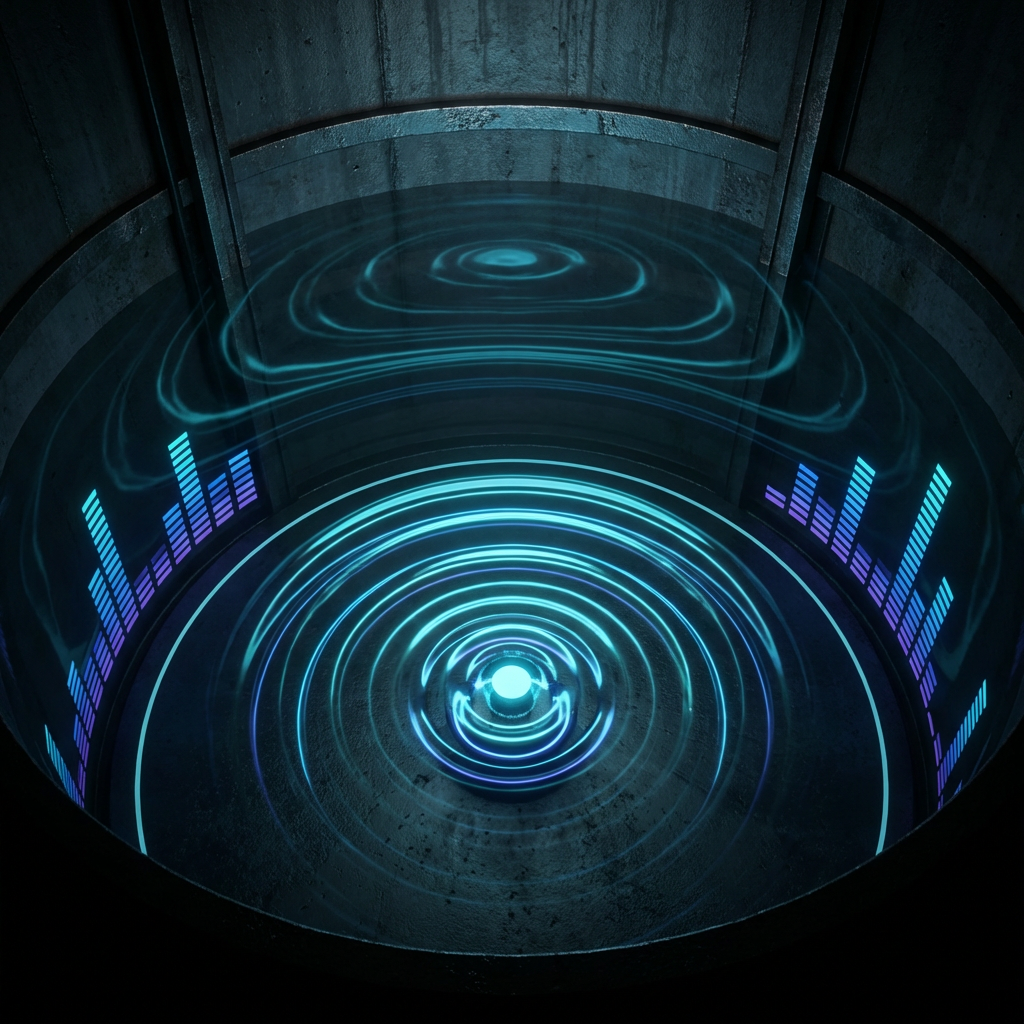
Auralis
Acoustic Intelligence
High-sensitivity acoustic and noise logging with 100 dB dynamic range across 0.01–60 kHz. Detects leak signatures down to 0.05 scf/hr — from high-frequency turbulence to low-frequency channeling behind casing.
Module
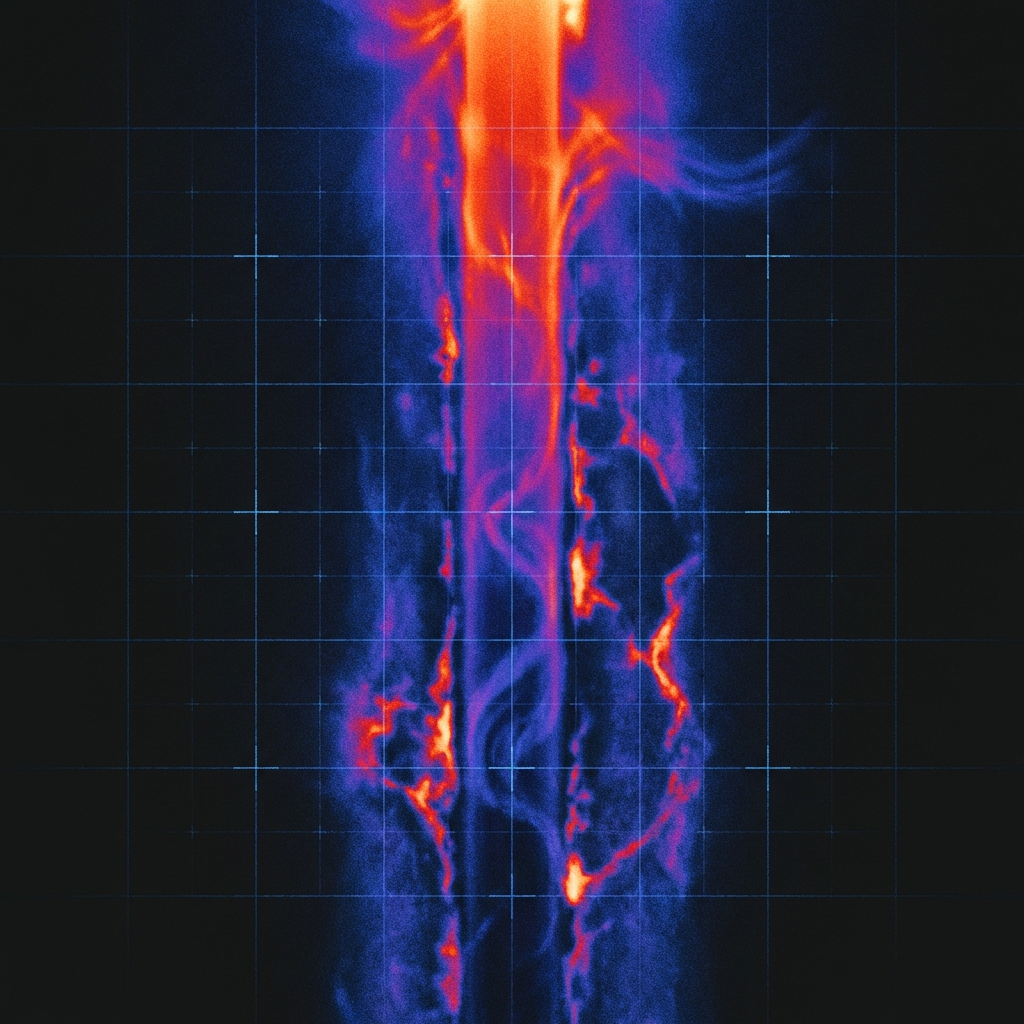
Thermalis
Temperature & Pressure
Fast-response sensors with ±0.1 °C accuracy and 0.001 °C resolution map thermal anomalies caused by fluid movement and Joule-Thomson effects. Pressure accuracy of 0.15% with 0.04 psi resolution for transient analysis.
Module
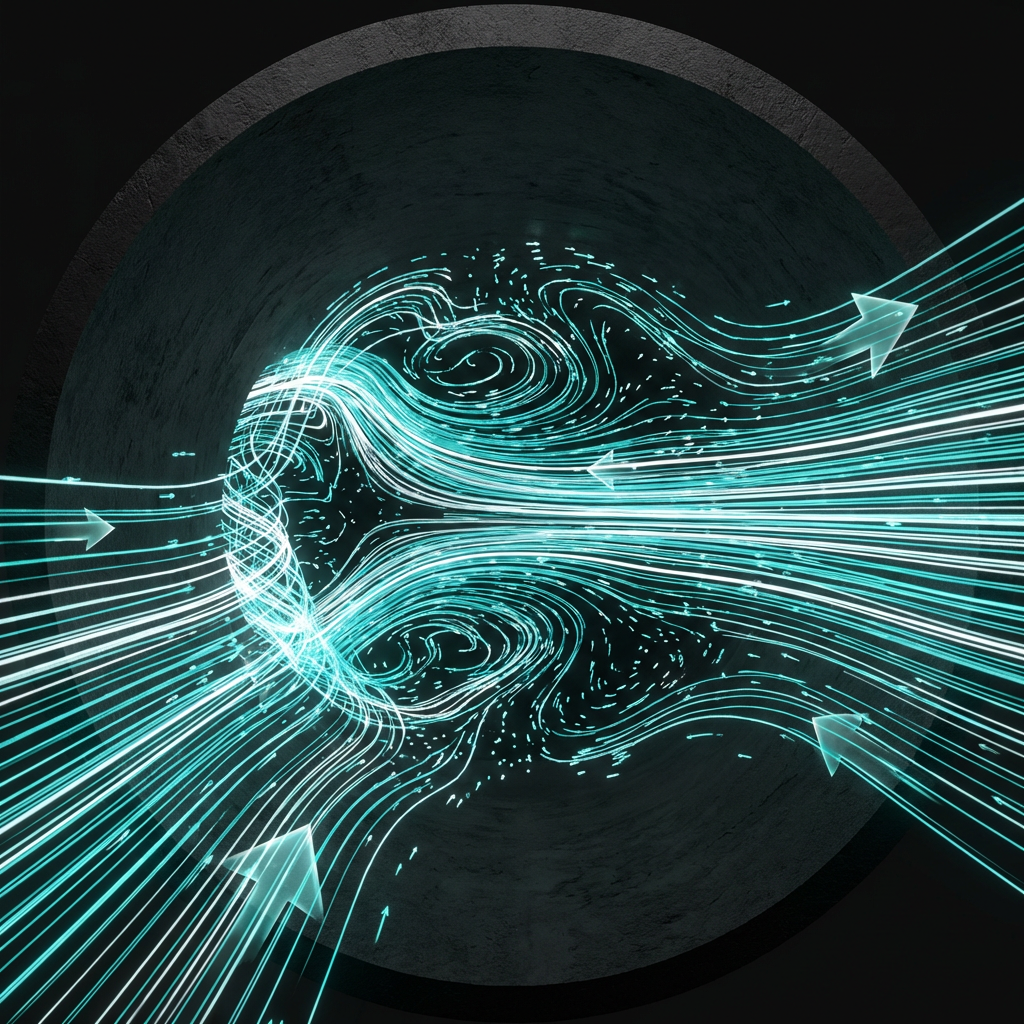
Axialis
Spinners / Flow Profiling
High-sensitivity spinner arrays — inline, full-bore, or multi-array — for fluid velocity and flow profiling. Threshold as low as 30 bpd with 0.03–20 kbpd range in 7" casing. Four pulses per revolution for precise rate and direction measurement.
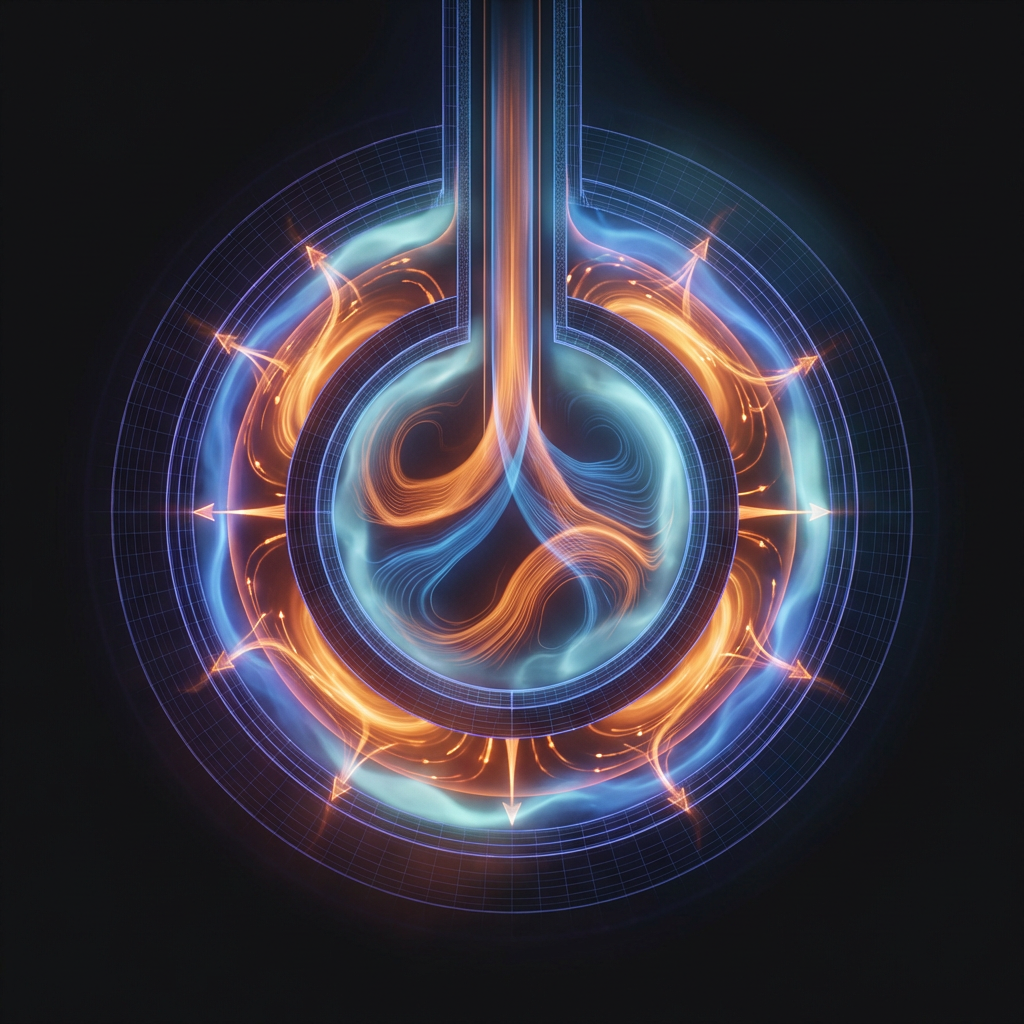
Module
ThermoFlux
Heat Flux Sensing
Measures radial heat transfer across well barriers to detect fluid movement and thermal communication. Identifies subtle flow signatures that temperature alone cannot resolve — confirming barrier performance with an independent thermal measurement.
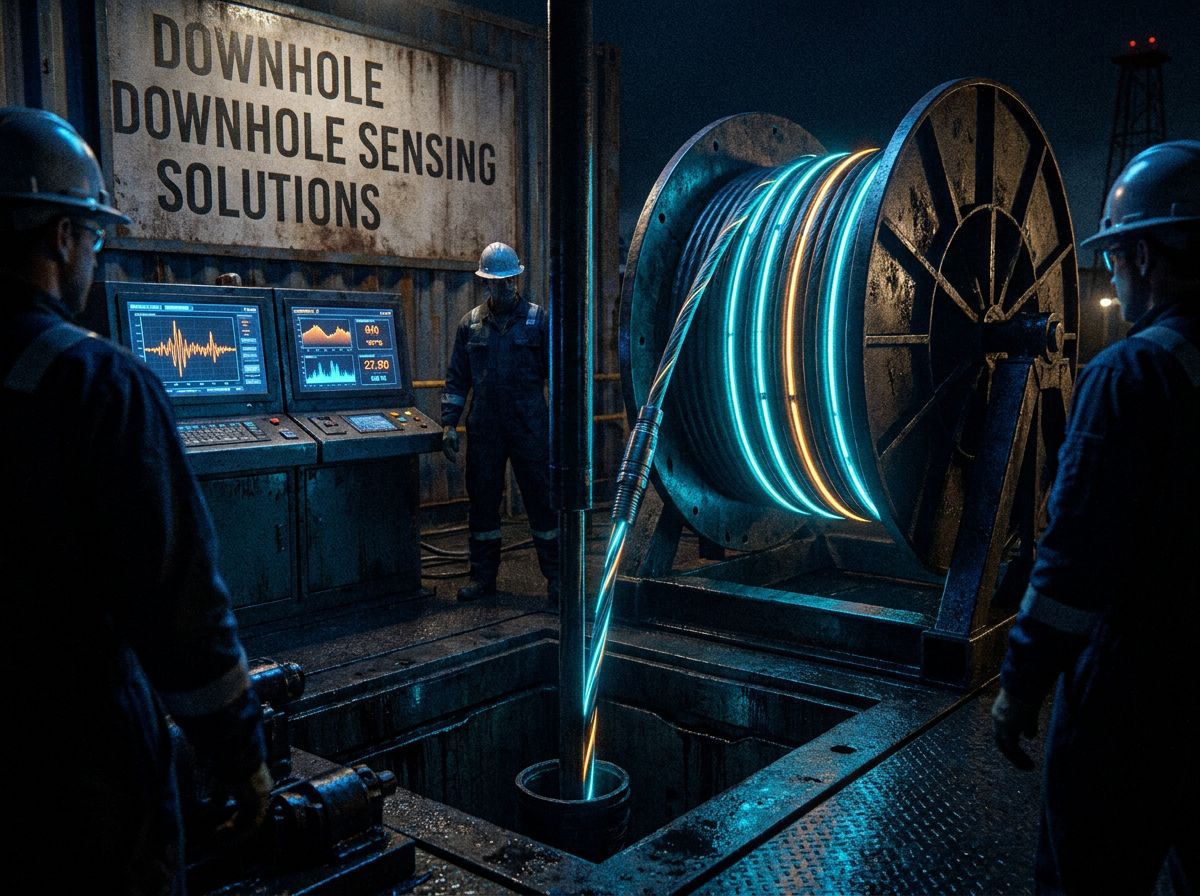
Fibre Optics
Distributed Acoustic & Temperature Sensing (DAS + DTS)
Permanent, real-time annular intelligence across the entire wellbore.
DeltaSense Fibre Optics combines distributed sensing (DAS + DTS) with field-ready deployment and digital interpretation — enabling continuous monitoring for integrity, flow behind pipe, and production/injection insight.
Overview
A single fibre. Thousands of sensors.
Fibre optics turn the entire wellbore into a continuous measurement system. Laser pulses travel down the fibre and backscatter from every point along its length. At surface, the interrogator converts those backscattered signals into distributed temperature (DTS) and distributed acoustic/vibration (DAS) measurements.
The result is permanent, high-resolution surveillance — ideal for long-term integrity management, leak detection, production allocation, and injection conformance.
Why it matters
Monitor continuously. Intervene selectively.
- →Always-on integrity surveillance — detect subtle barrier degradation before it becomes a failure.
- →Distributed leak detection — temperature and acoustic signatures reveal communication and flow behind pipe.
- →Allocation and conformance — support production/injection decisions with continuous evidence.
- →Lower operational disruption — reduce repeat interventions by learning from long-term trends.
How it works
Raman for temperature. Rayleigh for acoustics.
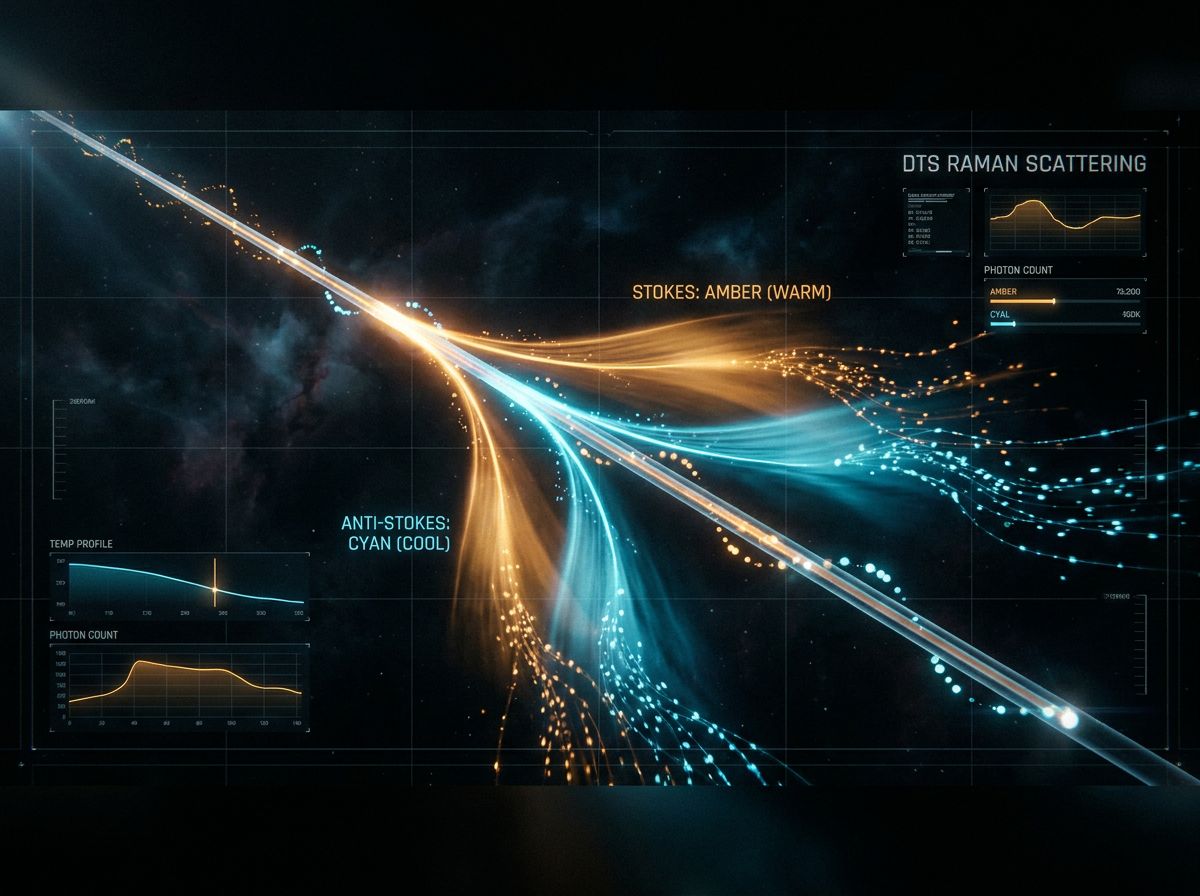
Distributed Temperature Sensing
Based on Raman scattering. The interrogator calculates the Anti‑Stokes / Stokes intensity ratio and converts it into a precise temperature value at every point along the fibre — delivering a continuous temperature profile across the entire wellbore.
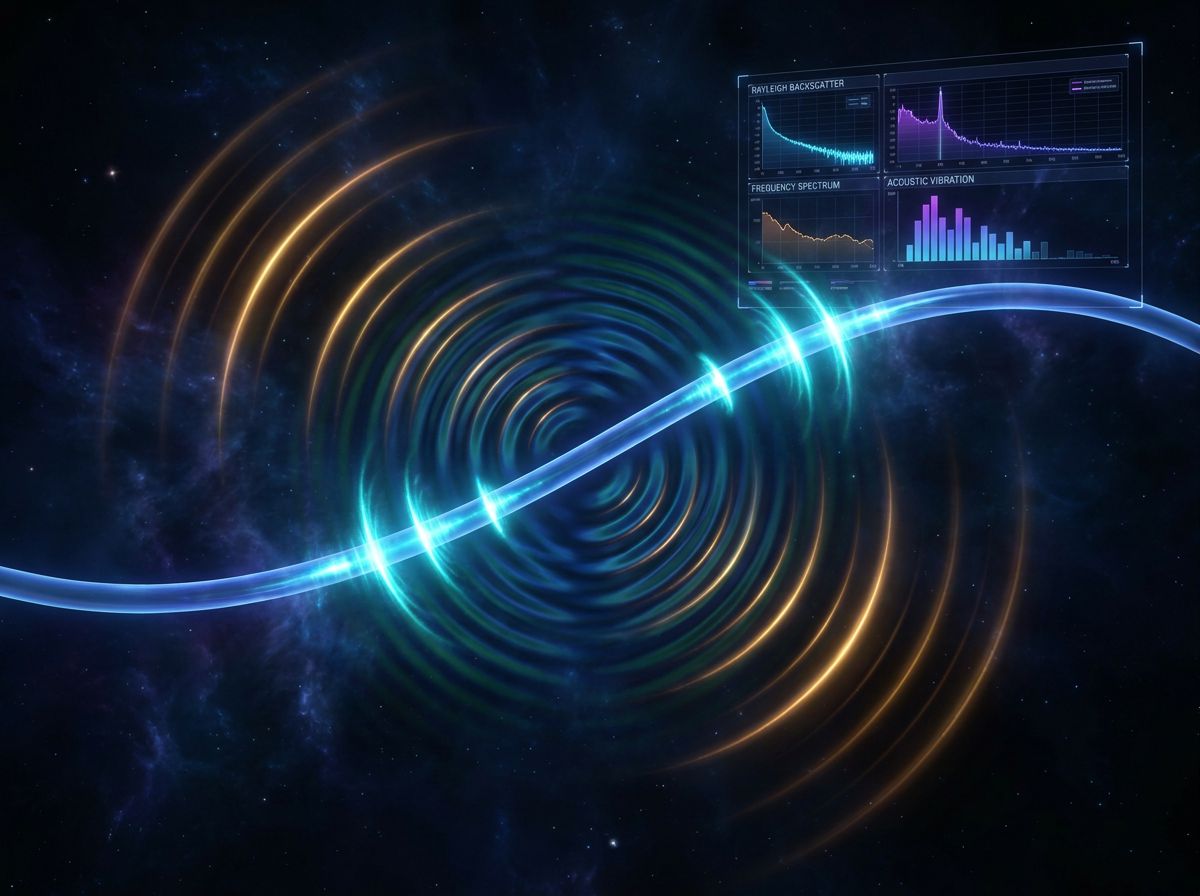
Distributed Acoustic Sensing
Based on Rayleigh backscattering. When vibration strains the fibre, it changes the relative phase of the backscattered light. Interrogators convert phase shift into dynamic strain — turning the fibre into a distributed array of virtual acoustic sensors.
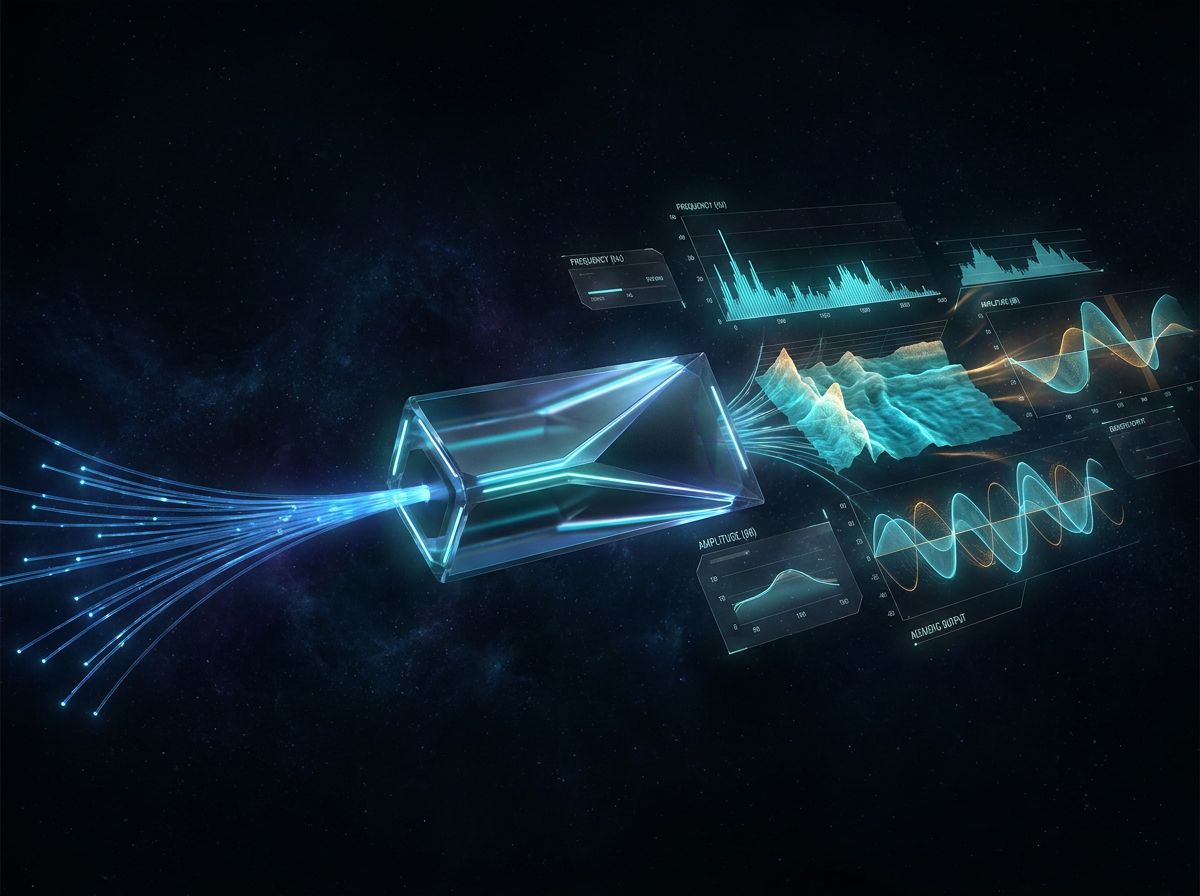
Interrogator / Surface Unit
The optical brain of the system: pulsed laser source, optoelectronic detectors, and fast acquisition. Optical time‑domain pulsing reflectometry (OTDR) assigns every backscattered signal to a precise location along the fibre — enabling high‑resolution DAS or DTS from downhole to surface.
The interrogator emits short laser pulses into the fibre. For DTS, inelastic Raman backscatter is split into Stokes and Anti‑Stokes bands; the Anti‑Stokes / Stokes intensity ratio is converted into temperature at each location. For DAS, elastic Rayleigh backscatter is analysed for relative phase change, converting vibration-induced strain into a distributed acoustic signal.
Applications
Where fibre optics delivers value
Production & injection profiling
See where fluids enter and leave the wellbore — continuously, without intervention after installation.
Well integrity & leak detection
Identify flow behind pipe, barrier failure, and subtle communication using temperature and acoustic signatures.
Long‑term reservoir insight
High‑resolution monitoring supports allocation, conformance, and trend-based integrity management over time.
Geothermal monitoring
Distributed sensing supports geothermal wells where temperature and flow surveillance are critical.
Reference
System building blocks
Interrogator
Rugged surface unit with pulsed laser, detectors, and fast DAQ. Enables OTDR so every backscattered signal is mapped to depth.
Optical fibre
Multimode is commonly used for DTS; singlemode is preferred for DAS due to signal characteristics and phase sensitivity.
Fibre mandrels
Mechanical anchors that maintain fibre-to-tubing contact to preserve signal fidelity and measurement quality.
Digital Intelligence
Interpretation Platform
answer-first · evidence on demand
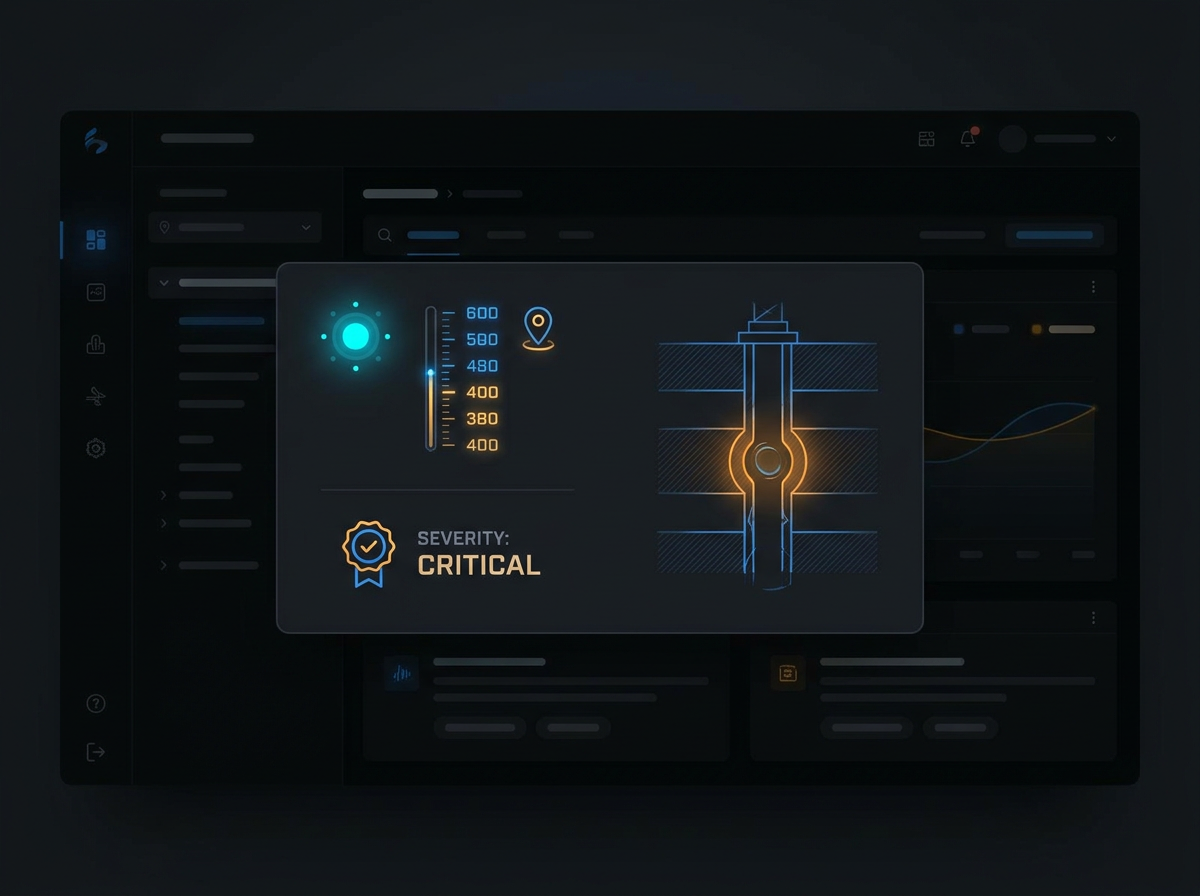
Deliver the answer first.
Keep the evidence one click away.
The current workflow spends too much effort explaining the interpretation instead of delivering the result. We shift the effort away from explaining every curve and toward delivering the answer clearly.
Analyst Workload
Less time preparing explanation-heavy outputs
Reduce manual effort spent stitching together curves, annotations, screenshots, and summary language.
Expert Workload
Less dependence on senior review for every delivery
Standardize result delivery so expert input becomes selective rather than mandatory.
Customer Explanation
Faster customer understanding of the result
Move from explanation-first emails to concise result summaries with evidence available on demand.
The Product as Interpretation Layer
From evidence to answer
Raw Inputs
Ultrasonic (HR) · Caliper · Pressure · Noise · Temperature · Historical runs
Interpretation Layer
- →Joint-level anomaly review and prioritization
- →Cross-technology comparison and historical trend view
- →Short, consistent result summary generation
Customer-Ready Answer
Leak depth · Leak location · Well integrity statement · Evidence on demand
Detailed logs, measurements, and curves remain available for technical review — they just stop being the first thing the customer sees. Answer first, evidence second.
Traditional
Evidence first
- •Raw Data Report with digital log print and summary pages
- •Separate slide deck with interpreted results
- •LAS files as supporting deliverables
- •Summary email with annotated curves and explanation
- •Links to supporting files hosted separately
Answer-First
Answer first
- →1–2 result slides embedded directly in the email or platform
- →Short answer-only summary of the result
- →One simplified snapshot without curves
- →Direct links to RDR, LAS files, and full slide deck
- →Optional quick reference for measurements and curves
What the Customer Receives
The snapshot becomes the primary result surface
Decision Snapshot
Results summary | Well XX
Leak status
1 leak indicated
Depth
X045 m
Location
5½" Casing
Answer-only snapshot: leak interval clearly indicated, supported by a simple well sketch and a compact anomaly heatmap.
Detailed View
Integrity status
Attention Required
Leak status
1 leak indicated
Severity
Medium
Confidence
High
Interpretation basis:
Auralis: localized acoustic response consistent with an active leak. Thermalis: temperature and pressure anomaly observed around the leak interval. Integrated: combined response consistent with a casing leak and behind-casing crossflow.
Lower analyst effort
Less manual assembly of screenshots, annotations, and explanation-heavy emails.
Lower expert dependency
Standardized summaries reduce the need for expert involvement in every delivery.
Faster customer alignment
Customers see the answer first and only dive into the evidence when required.
Lower delivery cost
A lighter workflow reduces time on the ground while preserving the evidence trail.
Where We Deploy
Applications
1 active — more launching soon
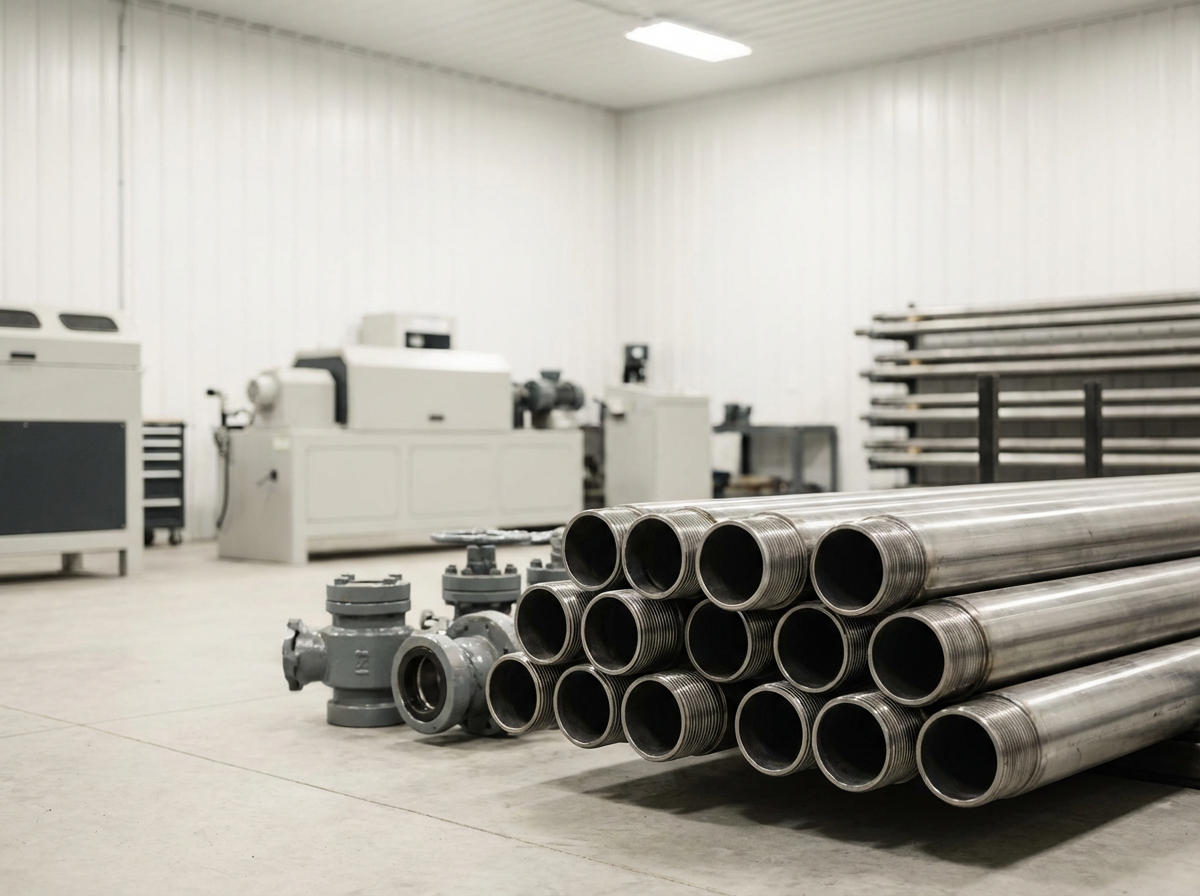
Plug & Abandonment
The final chapter of a well's life demands absolute certainty. Regulators require verifiable cement quality, confirmed zonal isolation, and proof that no fluid is moving where it shouldn't. DeltaSense brings complementary solutions to the P&A arena — delivering the complete diagnostic picture operators need before committing to permanent abandonment.
Synergy
Two tools. One complete answer.
Confirms the structural quality of the cement and casing. Quantitative 360° imaging maps cement bond quality, detects micro-annuli and channels, and verifies casing condition — giving operators and regulators a trusted picture of the permanent barrier before plugs are set.
Confirms there is no dynamic fluid movement behind pipe. Multi-physics diagnostics — acoustic, thermal, flow, and density — detect and quantify any active leaks, cross-flow, or channeling that would compromise the barrier. If something is moving, ApexHunter will find it.
Verify the Barrier
Before you seal a well, you need to know the barrier holds. PulseVista's 360° ultrasonic imaging maps cement quality and casing condition across every inch of the abandonment interval — confirming integrity or revealing exactly where remediation is needed.
- •Quantitative cement maps regulators trust
- •Detects micro-annuli sonic tools miss
- •Casing corrosion and defect assessment
- •Works across wide casing sizes (4"–18¾")
Hunt the Leak
If something is leaking, ApexHunter will find it. Multi-sensor diagnostics converge to pinpoint the exact source, depth, and severity of any leak path before permanent plugs are set — through existing tubing, without pulling the completion.
- •Through-tubing operation saves rig time
- •Leak threshold down to 0.05 scf/hr
- •Non-radioactive options available
- •Ideal for “quiet well” pre-abandonment surveys
Combined Campaign
Run both in a single e-line campaign
PulseVista and ApexHunter share compatible DeltaSense architecture, enabling single or back-to-back e-line deployment. This combination is particularly powerful for mature wells, offshore P&A campaigns, and fields with complex history where traditional cement evaluation alone may not be sufficient.
Comprehensive Evidence
Full barrier verification for P&A program approval.
Remedial Clarity
Clear identification of any squeeze jobs or remedial work required.
Reduced Rig Time
Single campaign replaces multiple separate tool runs.
AI-Assisted Reporting
DeltaSense platform delivers rapid, answer-first interpretation.
Job Planning
Configure sensor parameters, define intervals, and set objectives within the DeltaSense digital platform before mobilisation.
Job QC
Real-time quality control as data flows in. Validate measurements and flag anomalies before leaving the wellsite.
Job Answers
AI-assisted interpretation transforms raw data into decisions. Clear, actionable answers about annular integrity and well system health.
Production Logging
Coming SoonMore to Follow
In DevelopmentConnect
Ready to see behind the pipe?
Get in touch to learn how DeltaSense can transform your well assessment operations.